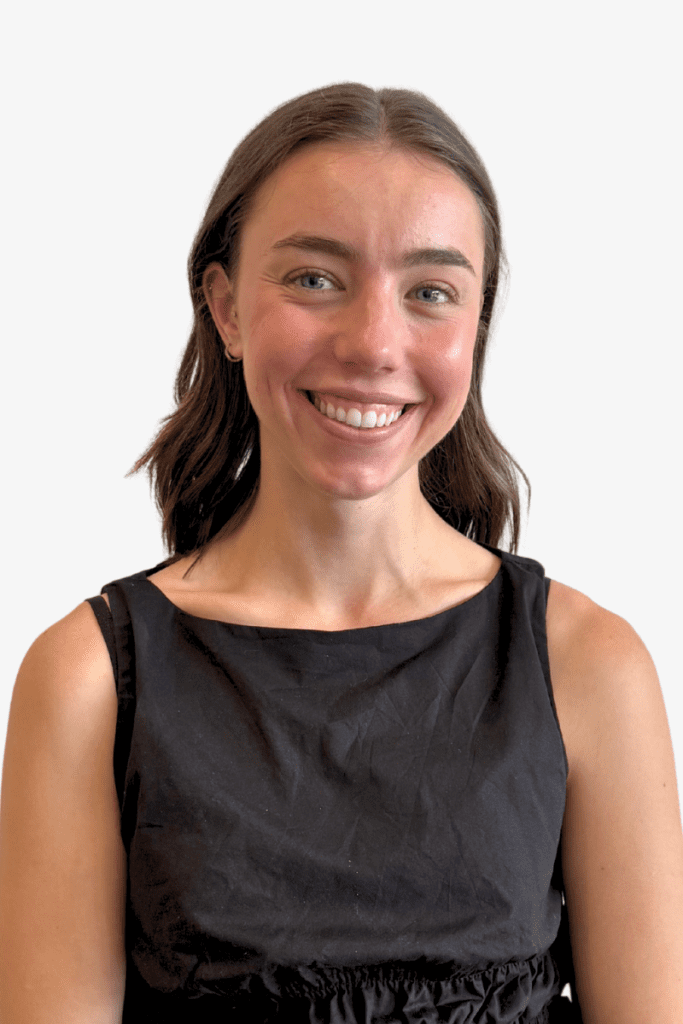
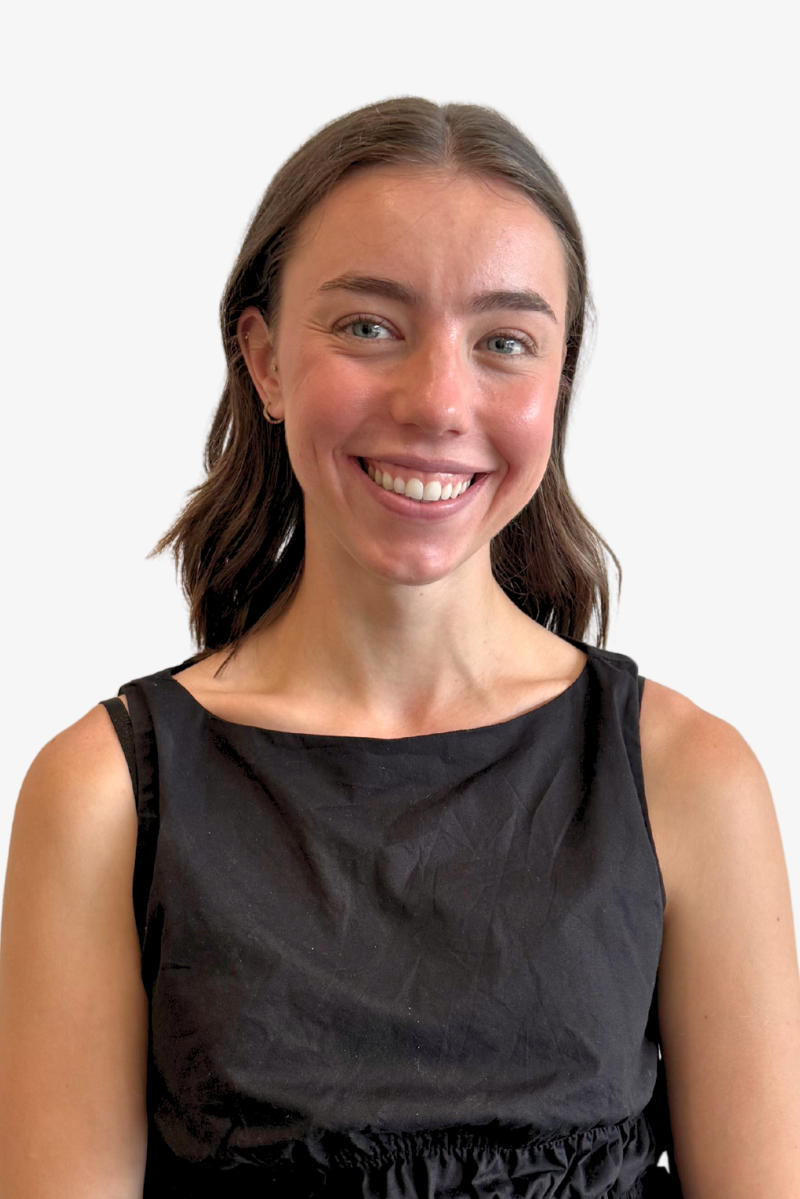
If you’re looking for a compassionate, evidence‐based dietitian who understands the complexity of women’s health, mental health, and real‐world nutrition challenges, you’re in the right place.
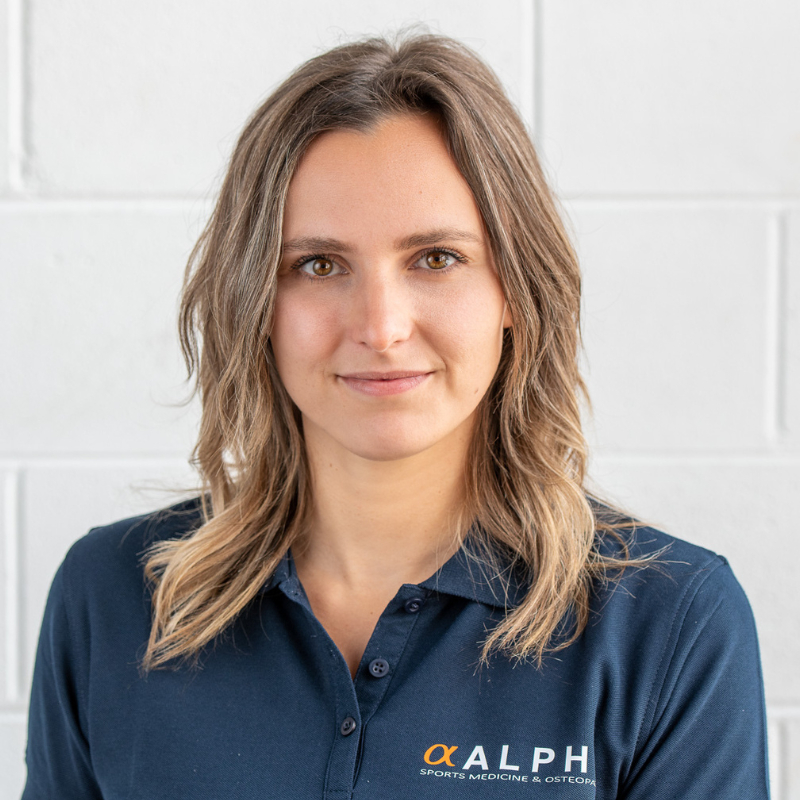
I’m Alexandra Clay, an Accredited Practising Dietitian (APD) based in Melbourne, Australia, and I support adults across the lifespan to improve their health, relationship with food, and overall quality of life. This page is designed to help you get to know who I am, how I work, and whether my approach
to nutrition is right for you.
My journey into dietetics
My pathway into dietetics was shaped by both professional experience and a deep interest in how nutrition intersects with mental health, hormones, and long‐term wellbeing. Before becoming a dietitian, I spent over five years working as a medical receptionist in GP and allied health clinics, and a year in disability support work. In this role, I gained first‐hand insight into the healthcare system, patient triage, and the importance of truly listening to people’s
concerns.
Working on the frontline of healthcare exposed me to individuals from diverse cultural backgrounds, living with complex physical and mental health conditions. It also highlighted a recurring gap: many people were receiving nutrition advice that felt unrealistic, overly restrictive, or disconnected from their lived experience.
My motivation for becoming a Dietitian was shaped by growing up in a culture that equated thinness with health. During the rise of social media, constant exposure to dieting trends, influencer comparisons, and restrictive messaging normalised disordered relationships with food. Understanding the complexity and long-term impact of this environment has been a key driver behind my passion for supporting a more compassionate, evidence-based approach to nutrition. Through my own personal journey navigating conflicting health advice, trends, and societal expectations, I am driven to help others develop comfort, self-acceptance, and optimal health.
As a neurodivergent person with ADHD, I also bring lived experience of navigating a world – and a healthcare system – that is not always designed with neurodiversity in mind. My own experiences with conflicting health advice, rigid expectations, and overwhelm have deeply influenced how I practice. Alongside my dietetic work, I have supported neurodivergent individuals in my role as a disability support worker, providing practical assistance with food planning, shopping, cooking, and eating in ways that respect sensory needs, executive functioning challenges, and individual capacity. This perspective allows me to deliver nutrition care that prioritises comfort, autonomy, self-acceptance, and sustainable health – rather than perfection or compliance.
This motivated me to pursue formal training in dietetics, where I completed a Master’s degree in Dietetics and went on to become an Accredited Practising Dietitian with Dietitians Australia. Throughout my training and clinical placements, I developed a strong interest in:
- Women’s health and hormonal changes across the lifespan
- Mental health nutrition and the mind–body connection
- Disordered eating and improving relationships with food
- Supporting active individuals and athletes with fuelling and recovery
- Nutrition support for neurodivergence
Clinical experience and areas of expertise
I have worked across a variety of healthcare settings, including hospital, community, and private practice environments. This breadth of experience allows me to tailor nutrition support to each individual’s medical history, lifestyle, and personal goals.
Hospital and clinical experience
During my clinical placements, I worked with oncology patients, as well as individuals managing chronic disease, fatigue, and treatment‐related side effects. This experience strengthened my ability to interpret clinical data, collaborate with multidisciplinary teams, and provide nutrition care in complex medical contexts.
Mental health and community nutrition
A significant focus of my work has been within community mental health services, where I support individuals experiencing anxiety, depression, severe mental illness, and the physical health impacts of psychiatric medications. I am particularly passionate about:
- Reducing shame and fear around food
- Addressing weight changes related to mental health treatment
- Supporting energy levels, gut health, and metabolic health
- Delivering group education, cooking sessions, and practical skill‐building
I strongly believe that nutrition care should feel supportive, not punitive—especially for those navigating mental health challenges.
Women’s health and hormones
Women’s health is one of my core clinical interests. I work with clients experiencing:
- Perimenopause and menopause
- Menstrual cycle irregularities
- Fatigue and low energy
- Iron deficiency and micronutrient concerns
- Stress‐related eating and burnout
My approach to women’s health nutrition is grounded in education, validation, and sustainable strategies that work alongside hormonal changes—not against them.
My philosophy: practical, personalised, and compassionate
Nutrition is not one‐size‐fits‐all. I take a non‐diet, weight‐inclusive approach, focusing on health‐promoting behaviours rather than rigid rules or short‐term fixes.
When you work with me, you can expect:
- Individualised nutrition plans tailored to your lifestyle, preferences, and cultural
background - Evidence‐based advice grounded in current research and clinical guidelines
- A collaborative approach, where your experiences and goals are central
- Realistic strategies that fit into busy, imperfect lives
I am especially mindful of clients who have had negative experiences with dieting or healthcare in the past. My goal is to create a safe, supportive space where food becomes a tool for nourishment and empowerment, not stress or guilt.
Supporting active individuals and athletes
Alongside my clinical work, I have a strong interest in sports and performance nutrition, particularly for individuals involved in endurance training and combat sports. I support clients with:
- Fuelling for training and competition
- Recovery and injury prevention
- Managing gut issues during exercise
- Avoiding under‐fueling and low energy availability
My aim is to help active individuals perform well while maintaining a healthy relationship withfood and their bodies. I am also the Dietitian for the Williamstown Football Club (VFL), where I work closely with players to support adequate fueling, recovery, and performance across training and game days. My role focuses on ensuring athletes meet their energy and nutrient needs to optimise performance, reduce injury risk, and sustain long-term health.
Research and continuous learning
I am deeply committed to ongoing professional development and evidence-based practice. Beyond clinical work, I have contributed to research through participation in studies exploring dietetic practice and nutrition interventions, particularly within mental health and community health settings. This involvement allows me to remain critically engaged with emerging evidence and translate research into meaningful, real-world care.
I regularly undertake further training and professional education to ensure my practice reflects current best evidence. This includes completion of specialised courses such as the Monash University Low FODMAP Diet for IBS, as well as continued education in eating disorders and disordered eating, neurodivergence-affirming nutrition care, chronic disease management, autoimmune conditions, and women’s health across the lifespan.
By combining research engagement with ongoing learning, I strive to provide nutrition care that is current, thoughtful, and responsive to the evolving needs of the individuals and communities Iwork with.
How I work with clients
I offer individual nutrition consultations, as well as group education and collaborative care
with other health professionals. Sessions are practical and conversational, focusing on:
- Understanding your health history and current challenges
- Identifying realistic nutrition priorities
- Developing flexible strategies you can sustain long‐term
- Reviewing progress and adapting plans as your needs change
Whether your goal is to improve energy, manage symptoms, support mental health, or simply feel more confident around food, we work at a pace that feels right for you.
Who I work with
I support adults who are:
- Navigating hormonal changes and life transitions
- Looking to support their mental health
- Feeling overwhelmed by conflicting nutrition advice
- Wanting to improve their relationship with food
- Seeking evidence‐based, compassionate nutrition care
You do not need to be at a crisis point to benefit from working with a dietitian. Many clients come to me simply wanting clarity, reassurance, and a more balanced approach to eating.
A final note
Nutrition should enhance your life – not control it. My role as a dietitian is to support, educate, and empower you to make informed choices that align with your values, health needs, and lifestyle.
If you’re looking for a Accredited Practising Dietitian who takes a thoughtful, whole‐personapproach to care, I would love to work with you.
You can learn more or book an appointment via my website, or connect with me on Instagram for practical nutrition insights and education.