A Career Milestone
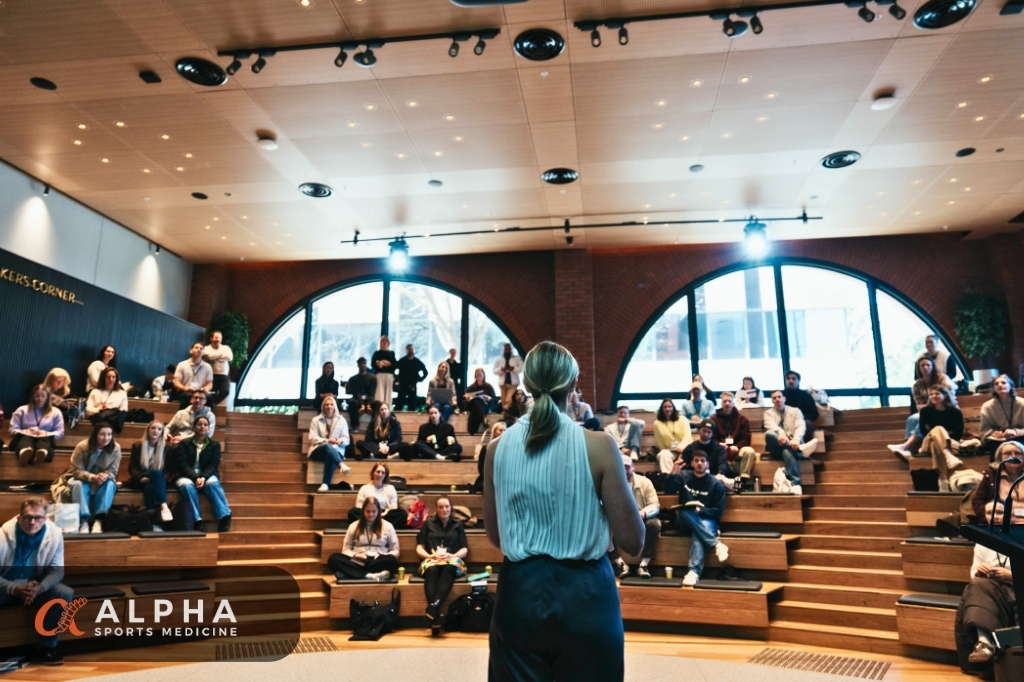
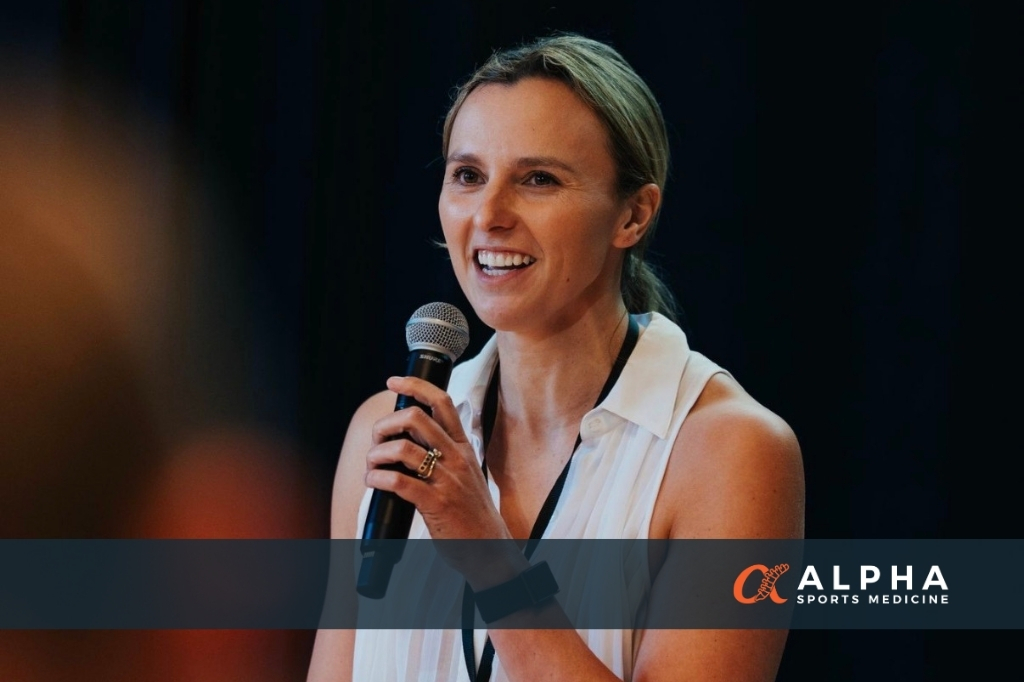
There are those moments in your career that stay with you, and for me, speaking at the Lower Limb Conference in Melbourne was one of them.
Held in Melbourne, the conference brought together more than 120 healthcare professionals, with six invited speakers presenting on a range of lower limb topics including syndesmosis injuries, Lisfranc injuries, foot and ankle stability, knee injuries, and my topic—the hypermobile hip.
Standing on that stage was more than delivering a presentation. It was the fulfilment of a dream I have had for many years.
As an osteopath, I’ve always loved educating patients. But there was something incredibly special about having the opportunity to speak to a room full of clinicians about a topic that has become such a significant part of my career. It felt like a chance to advocate—not just for a condition—but for the people living with it every day.
Listening to the Hypermobile Patient
Over the past ten years as an osteopath, and particularly the last six years working extensively with people living with hypermobility, Hypermobile Ehlers-Danlos Syndrome (hEDS) and Hypermobile Spectrum Disorder (HSD), I have heard countless stories that all sound remarkably similar.
“I’ve had every scan.”
“They told me everything looked normal.”
“I’ve done months of rehab, but nothing seems to help.”
“I feel like no one can explain what’s going on.”
These aren’t isolated stories. They are experiences I hear every week.
When I was preparing this presentation, I didn’t want it to become another lecture filled with anatomy, biomechanics and research papers. Those things absolutely matter, but I wanted the audience to understand something much bigger.
I wanted to tell the story of the hypermobile patient.
- The person who has spent years searching for answers.
- The person whose pain doesn’t quite fit the textbook.
- The person whose imaging often fails to explain the severity of their symptoms.
- The person who has been told that everything is “normal”, despite living with very real pain.
That story became the foundation of my presentation.
The Hypermobile Hip: More Than Just the Hip
The title was The Hypermobile Hip, but in reality, the presentation wasn’t really about the hip at all.
It was about changing the way we think.
One of the biggest messages I wanted to share was that pain is not always the problem.
In hypermobility, the painful area is often the area working the hardest.
Take the hip, for example.
When someone presents with lateral hip pain, it’s easy to focus all our attention there. We strengthen the glutes, release tight muscles, prescribe exercises and hope the pain settles.
But what if the hip isn’t actually the primary problem?
What if those muscles are working overtime because they’re the only thing creating stability?
What if the foot isn’t providing a stable foundation?
What if the knee is collapsing into valgus?
What if the pelvis is relying on one side of the body far more than the other?
Suddenly, the painful hip starts to make sense.
Looking Beyond the Pain
Rather than viewing the body as a collection of isolated injuries, we need to appreciate that it functions as one interconnected system.
Every joint influences another.
Every muscle is responding to the demands placed upon it.
When we begin treating the entire movement system instead of simply chasing pain, rehabilitation starts to look very different.
That was the central message I hoped clinicians would take away.
Don’t just ask, “Where does it hurt?”
Ask, “Why is this area working so hard?”
That question can completely change the direction of treatment.
The Conversations That Followed
One of the most rewarding parts of the weekend came after the presentation had finished.
The questions kept coming.
We spoke about footwear.
We discussed hEDS and HSD diagnosis and the importance of recognising that diagnosis remains clinical, as there is currently no genetic test available for hypermobile Ehlers-Danlos syndrome.
We talked about NDIS, multidisciplinary management, exercise prescription and how we can better support people living with connective tissue disorders.
The discussion wasn’t just about finding the “right” answer. It was about clinicians wanting to understand their patients better.
That, to me, was incredibly encouraging.
A Changing Conversation Around Hypermobility
When I first entered this profession, hypermobility wasn’t something that featured heavily at conferences. It certainly wasn’t a topic that filled lecture theatres.
Today, we have rooms full of clinicians asking thoughtful questions, challenging traditional thinking and wanting to improve the care they provide.
That represents real progress.
Research into hypermobility is expanding.
Education is improving.
Healthcare professionals are becoming increasingly aware that connective tissue disorders deserve greater attention.
There is still a long way to go, but for the first time in a long time, it genuinely feels like we’re moving in the right direction.
Why This Work Matters
As I reflected after the conference, I realised that this presentation was never really about me.
It was about every patient who has trusted me with their story.
Every patient who has walked into the clinic after years of feeling dismissed.
Every person who has wondered why nothing seems to work.
Every individual who simply wanted someone to understand that their pain was real.
If sharing those stories helped even one clinician look at their next hypermobile patient a little differently, then standing on that stage was worth every second.
I left Melbourne feeling incredibly grateful – not only for the opportunity to speak, but for the conversations that followed. They reminded me that change doesn’t happen because one person has all the answers. It happens when clinicians are willing to stay curious, ask better questions, and keep learning together.
Looking Ahead
Thank you to the organisers for the opportunity, to the incredible speakers who shared their expertise throughout the weekend, and to every clinician who attended, asked questions, challenged ideas and continued the conversation afterwards.
The future of hypermobility and connective tissue disorder care feels brighter than ever, and I can’t wait to see where the next chapter takes us.